
Prepare to raise | CORE
Expert guidance, investor matching, and visibility
Private rounds
Raise from your network with professional infrastructure
Cap table & equity management
All-in-one equity and stakeholder management
ESOP
Incentivize your employees and manage ESOPs seamlessly
Explore SeedBlink Legal

All things equity
Fundraising misconceptions to avoid in 2026: what investors saw in 2025 and how founders can better prepare for smarter, stronger rounds ahead.
March 5, 2026
·
4
min read
%20-%20part%203.2.png)
Welcome back to our series of articles featuring insights and lessons from European investors. In part one, we talked about the big wins investors celebrated in 2025. In part two, we looked at the hard lessons they had to face. Now, in part three, we’re turning the lens toward the fundraising misconceptions investors saw again and again coming from founders, and the advice they’re giving to avoid repeating them in 2026.
If you tried to raise in 2025, you probably felt it. The rules had changed, even if no one sent a memo. Conversations dragged. “We love what you’re building” didn’t turn into term sheets. Rounds that looked close suddenly slowed. It wasn’t just you.
Many founders walked into the year thinking strong growth or a sharp pitch would be enough. But investors were looking deeper. They wanted clear proof of real demand. They cared more about margins and retention than big top-line numbers. They questioned valuations that might have flown a few years ago. And they paid close attention to how capital-efficient a company really was.
In 2025, AI was everywhere. It was in pitch decks, product descriptions, taglines, and sometimes even company names. For many founders, positioning as an AI company felt like a shortcut to relevance and capital.
But investors quickly drew a line between AI hype and pure technical innovation.
As Mircea Ghita, Principal at Metis Ventures, mentions:
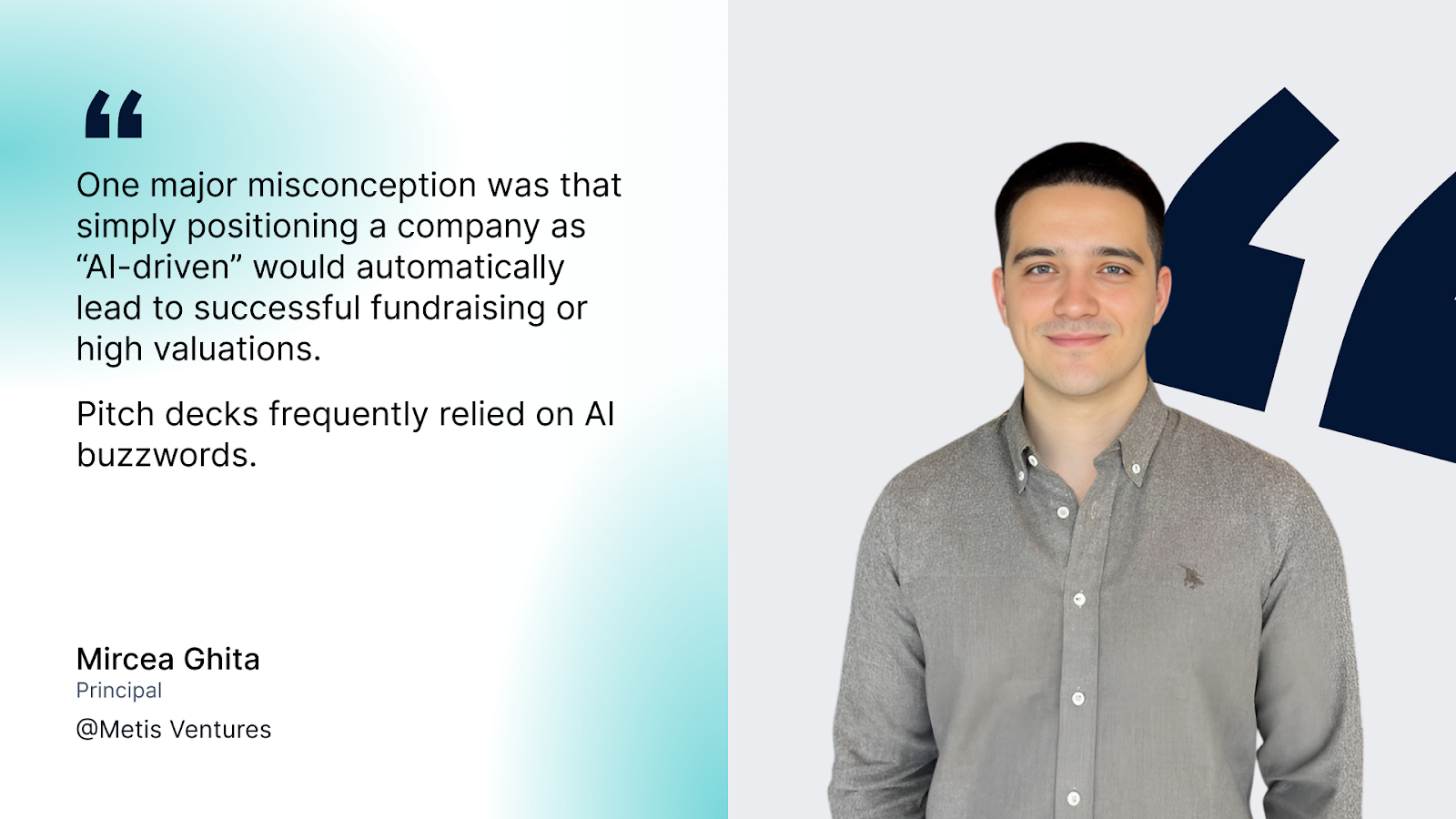
“However, as AI startups matured, investors also became more sophisticated and selective. This was particularly evident in life sciences, where AI usage was often claimed without founders or core team members having a genuine AI or programming background.”
As the market matured, so did investor expectations. Especially in sectors like life sciences, teams claimed AI capabilities without having real technical depth on the founding team. That gap became obvious during diligence.
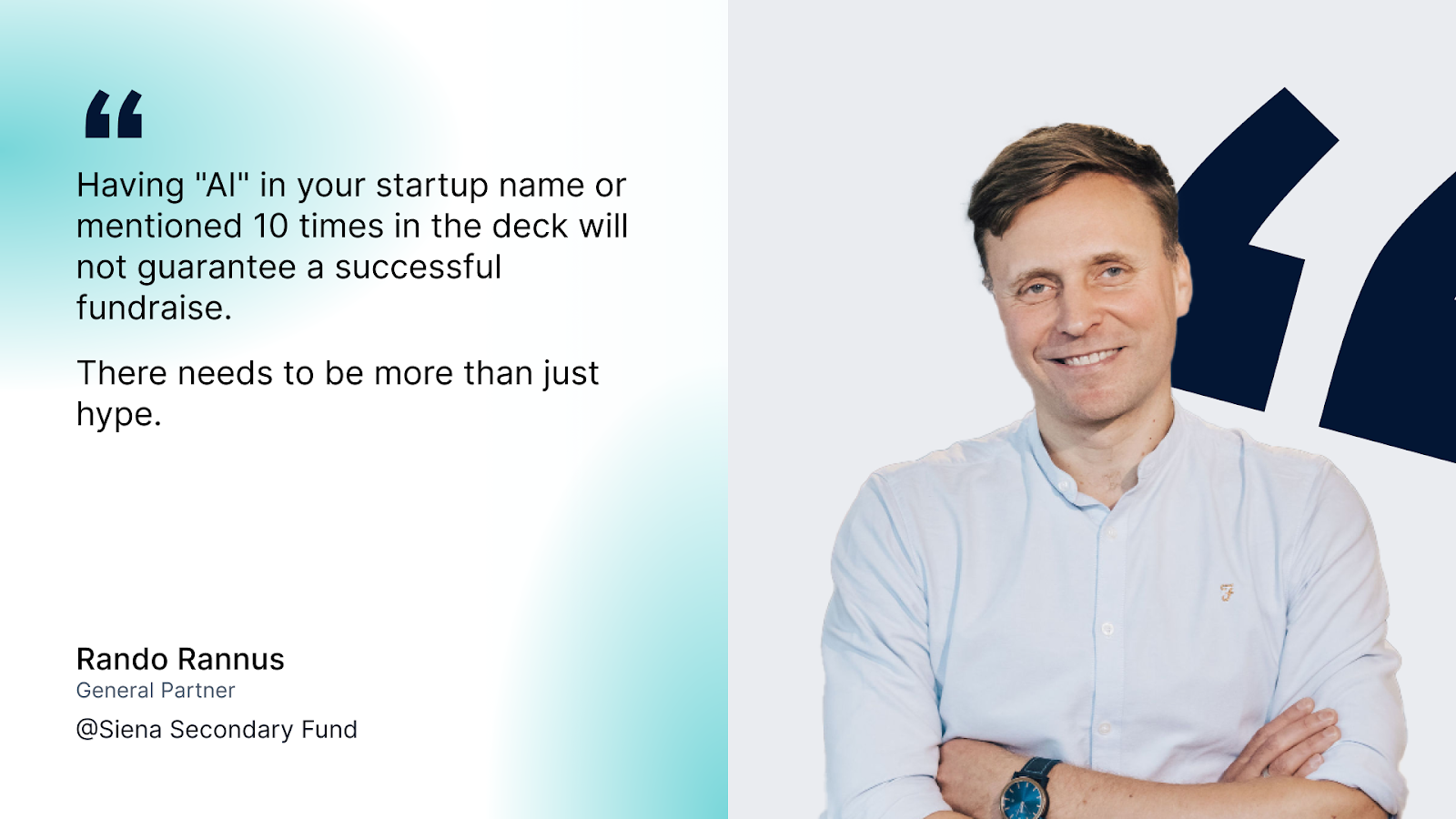
Rando Rannus, General Partner of Siena Secondary Fund, also adds:
The thoughts are echoed also by Dr. Jan Engels, Senior Investment Manager at HTGF:
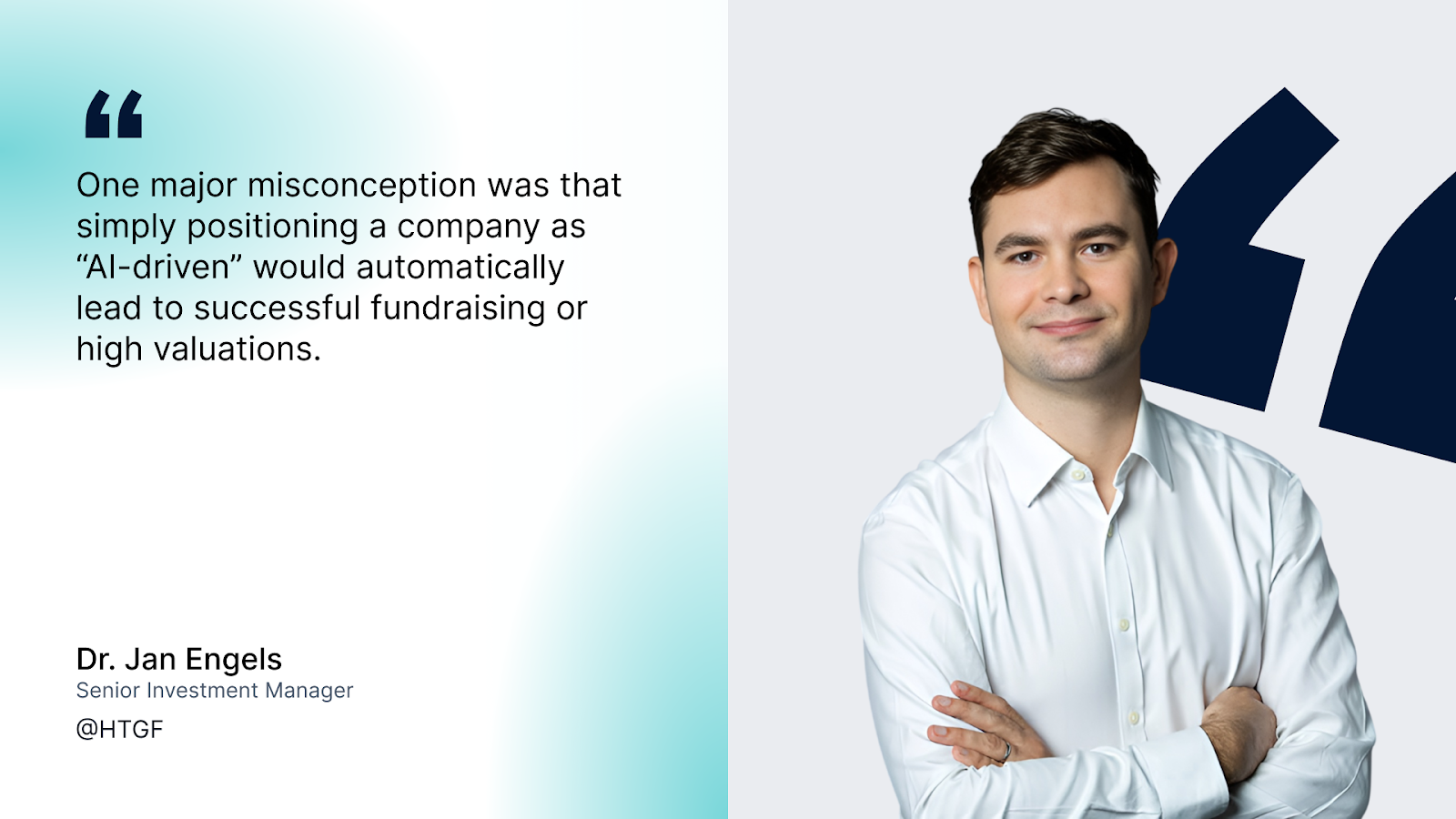
Pitch decks frequently relied on AI buzzwords. However, as AI startups matured, investors also became more sophisticated and selective. This was particularly evident in life sciences, where AI usage was often claimed without founders or core team members having a genuine AI or programming background.”
By mid-2025, investors were no longer reacting to the label. This was also strongly echoed by Dan Mihaescu, Founding Partner at GapMinder, who described three important distinctions that started to shape fundraising conversations:
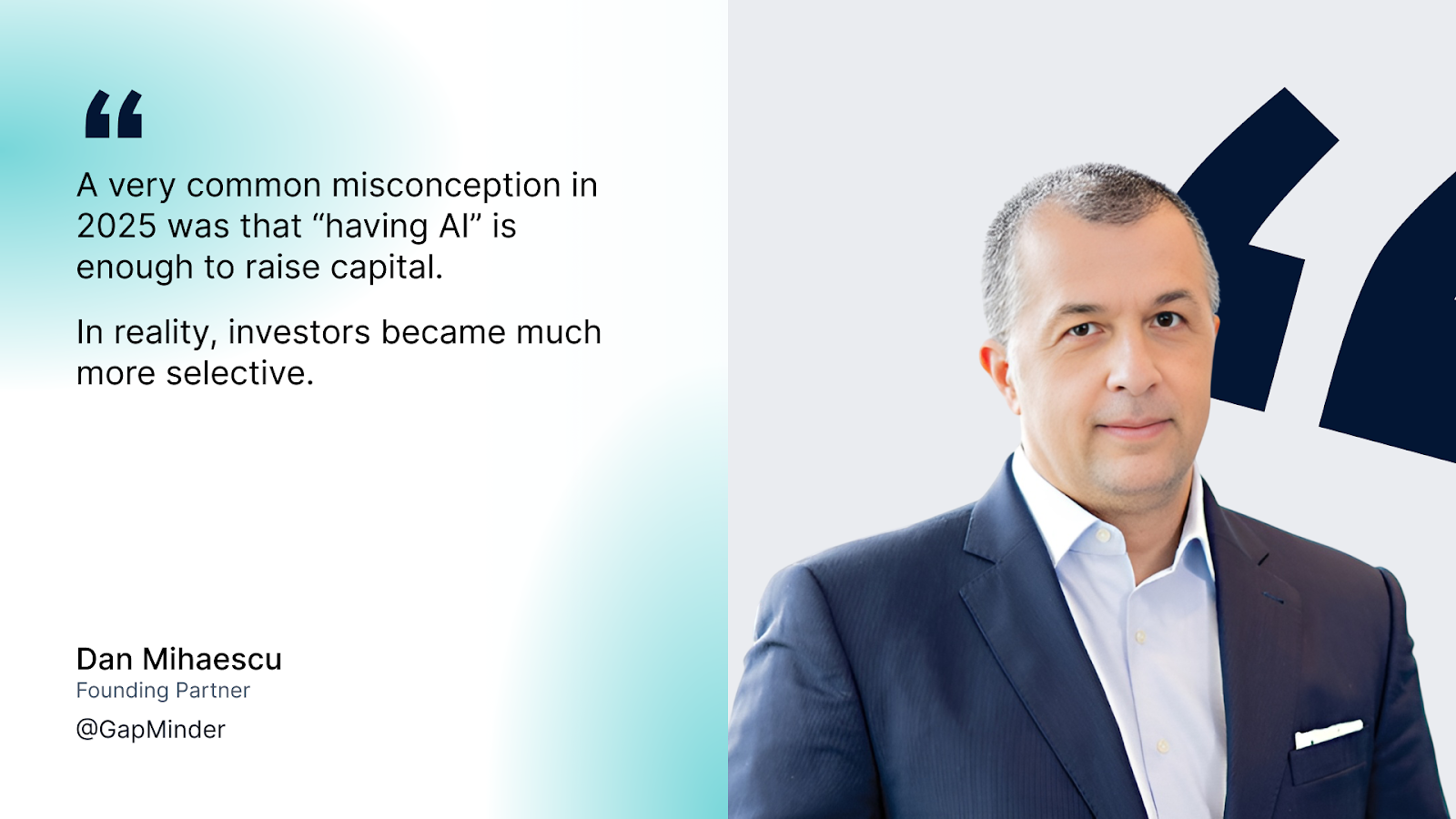
“There was a clear separation between:
Patricia Pastor, General Partner at NextTier Ventures, also highlights this:
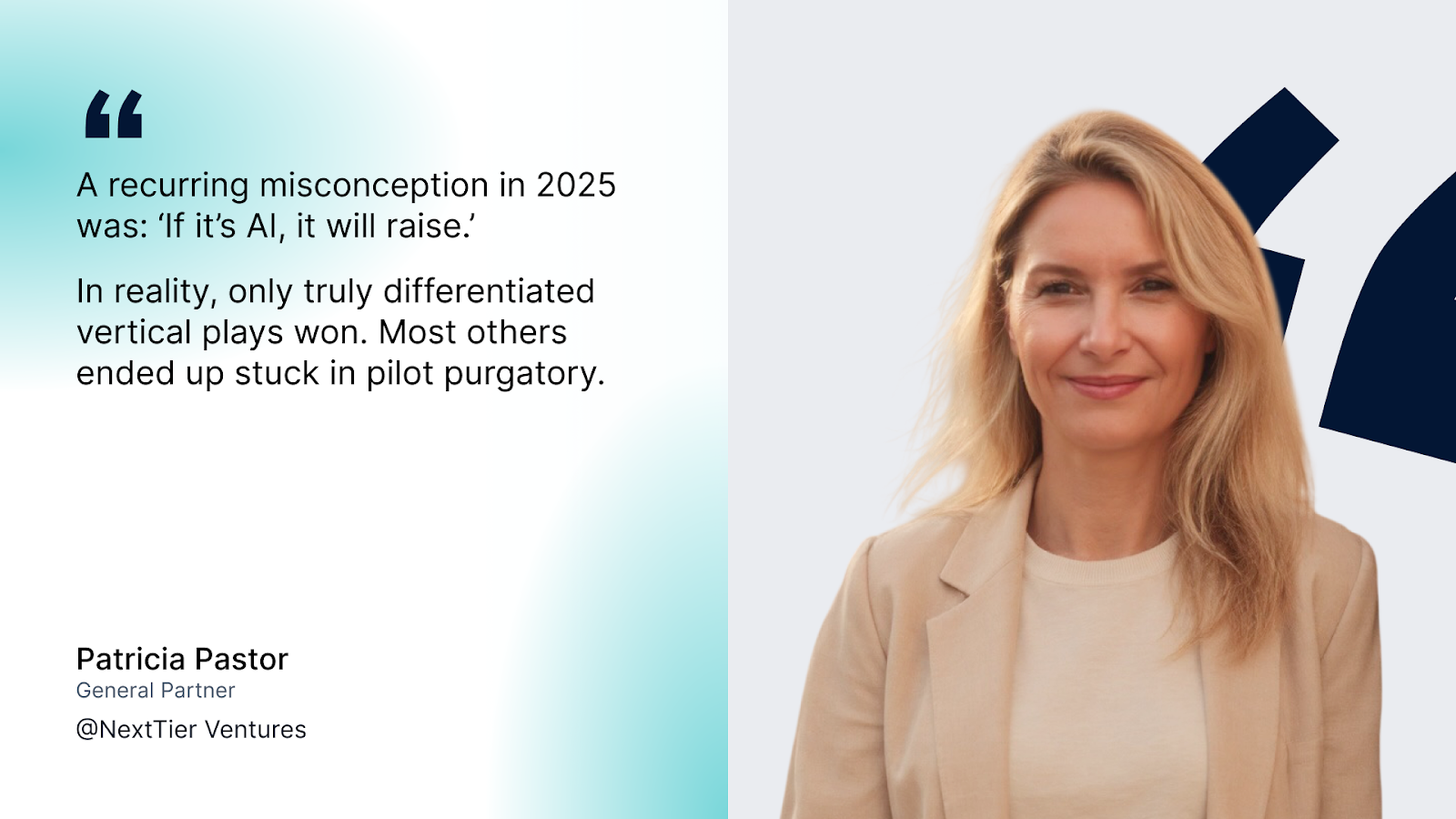
“Too many founders prioritized ideas over traction. They went out to raise without paying customers, without real competitive moats, and without clear proof of execution. They also underestimated where durable value accrues — most of it concentrated at the foundation model layer, not in thin wrappers.
Another mistake was building for demos rather than for businesses. Hype created unrealistic benchmarks — like expecting $10M ARR in year one. But without real ROI or defensibility, many of those rounds collapsed — even in a year with over $200B invested in AI globally.”
However, that doesn’t mean investors stopped funding AI companies. They simply stopped funding AI narratives without proof.
For years, fundraising success was often measured by one number: valuation. The higher it was, the more successful the round seemed. Bigger round. Higher price. Stronger signal to the market.
But in 2025, that mindset started to change.
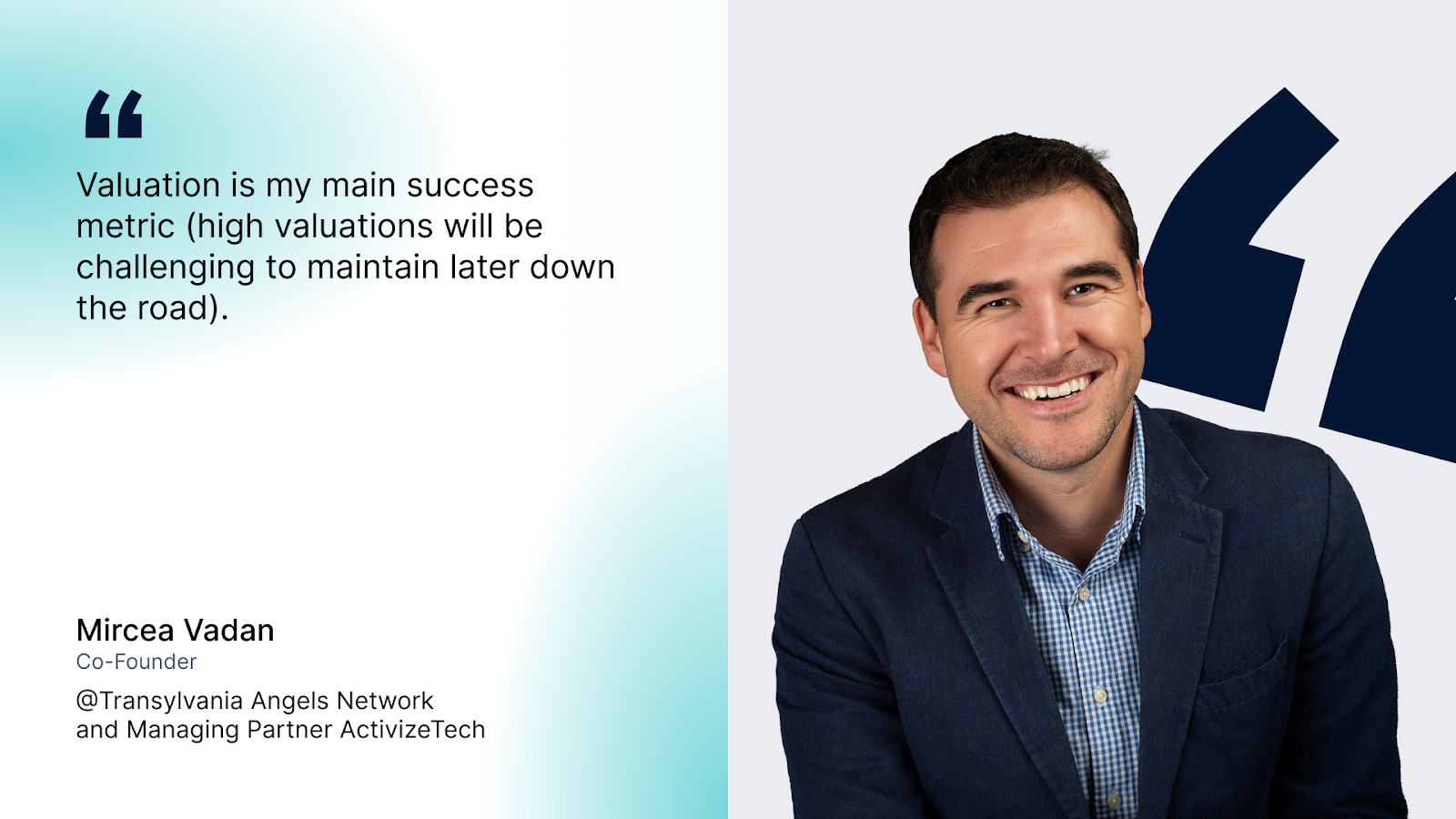
A high valuation doesn’t just look good in a press release. It locks you into growth targets, margin improvements, and follow-on metrics that must justify that price. If you raise too high without the fundamentals to support it, the next round becomes harder, not easier. Down rounds hurt morale. Flat rounds hurt perception. And bridge rounds become more likely.
As Mircea Vadan, Co-Founder Transylvania Angels Network and Managing Partner ActivizeTech adds:
Investors also looked more closely at the round structure: how much runway the company truly had, what milestones the capital would unlock, how healthy the cap table looked, and whether the investor-founder fit made sense long-term. Here, Dan Mihaescu, Founding Partner at GapMinder adds:
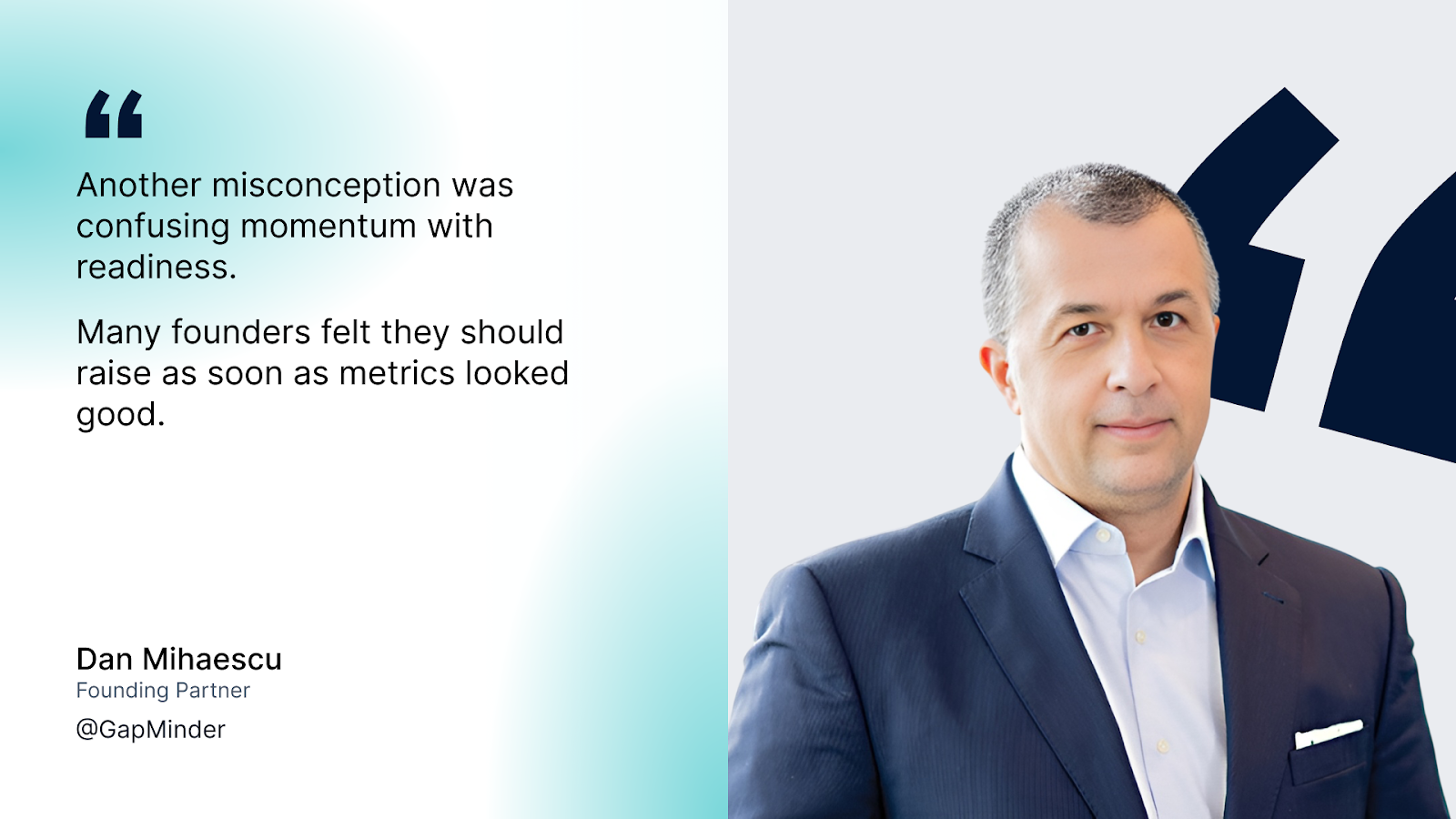
Investors, however, were asking harder questions:
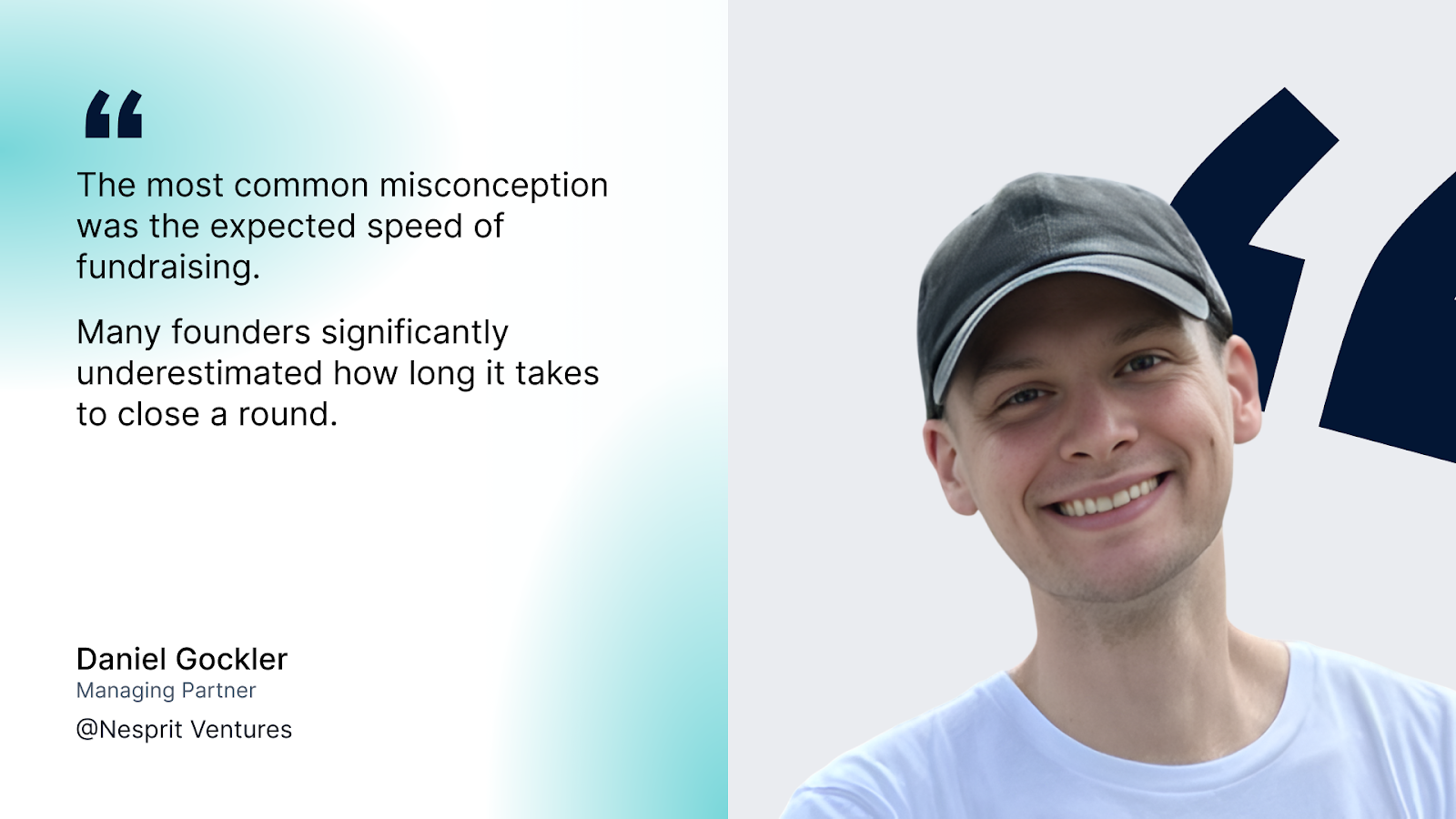
Another major misconception in 2025 was around speed. Many founders went into fundraising assuming that if metrics looked solid and conversations were positive, a round would close within a few months. That expectation often proved wrong.
As Daniel Gockler of Nesprit Ventures mentions:
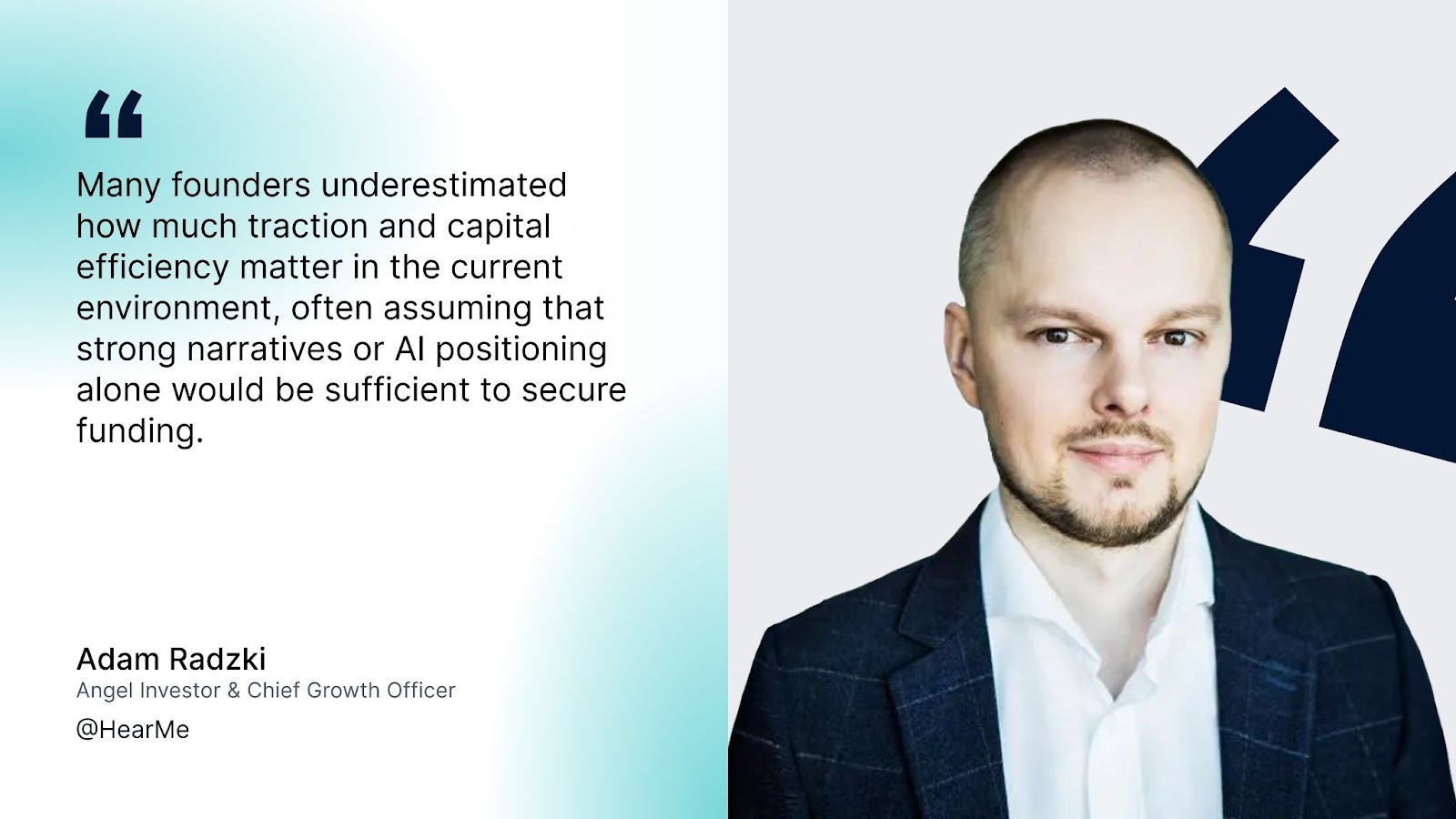
But beyond speed and valuation, another readiness gap became visible. As Adam Radzki, Angel Investor & Chief Growth Officer at HearMe, mentions:
But perhaps the most subtle misconception was where founders placed the blame when things slowed down. Some over-indexed on macro concerns, while those factors exist, investors consistently pointed to something else.
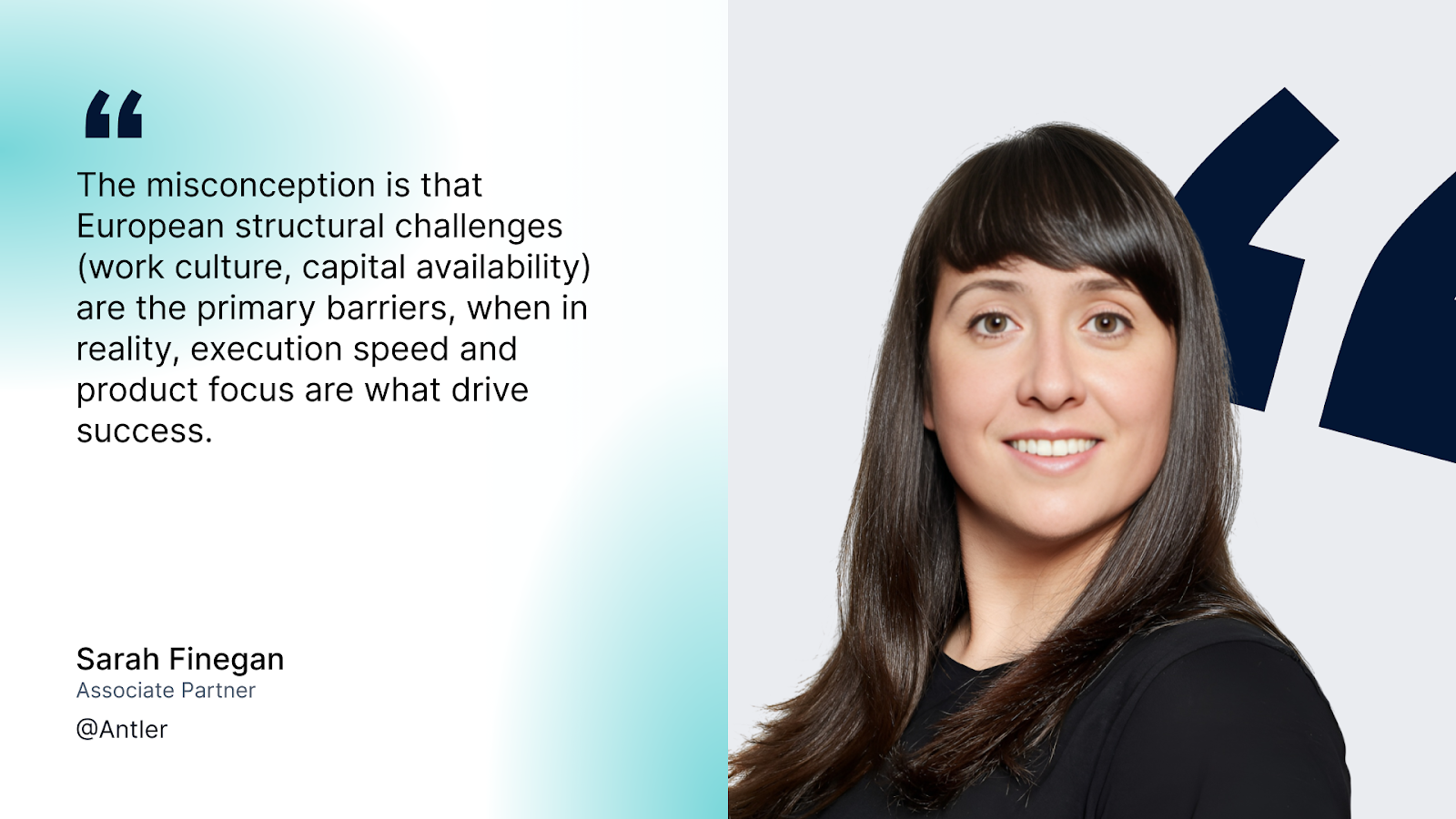
Sarah Finegan, Associate Partner at Antler, shares that:
“Founders may be over-indexing on macro concerns rather than micro execution. The reality is that individual exceptional founders building breakthrough products matter more than broader European ecosystem worries.”
For years, a compelling vision, a strong narrative, and a confident pitch could carry a lot of weight. Founders were trained to “sell the dream.” And in previous cycles, the market often rewarded potential.
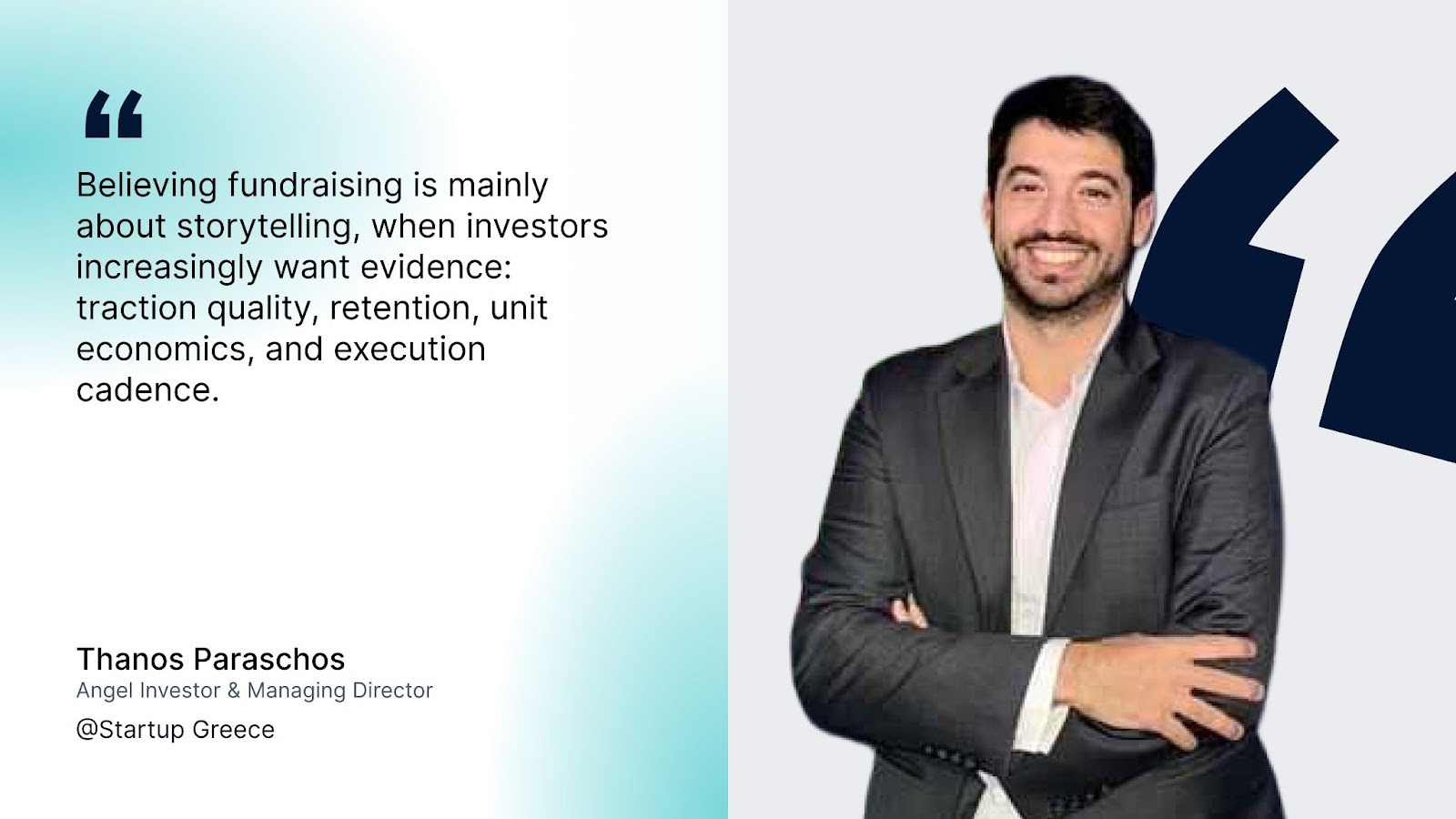
But in 2025, that approach alone wasn’t enough. As Thanos Paraschos, angel investor and Managing Director at Startup Greece, shared:
Two other misconceptions mentioned by Thanos were:
One of the more subtle misconceptions investors noticed in 2025 had less to do with metrics and more to do with mindset.
Samuel Marchant - Head of Investments - startups & portfolio at Swisspreneur described the pattern clearly:
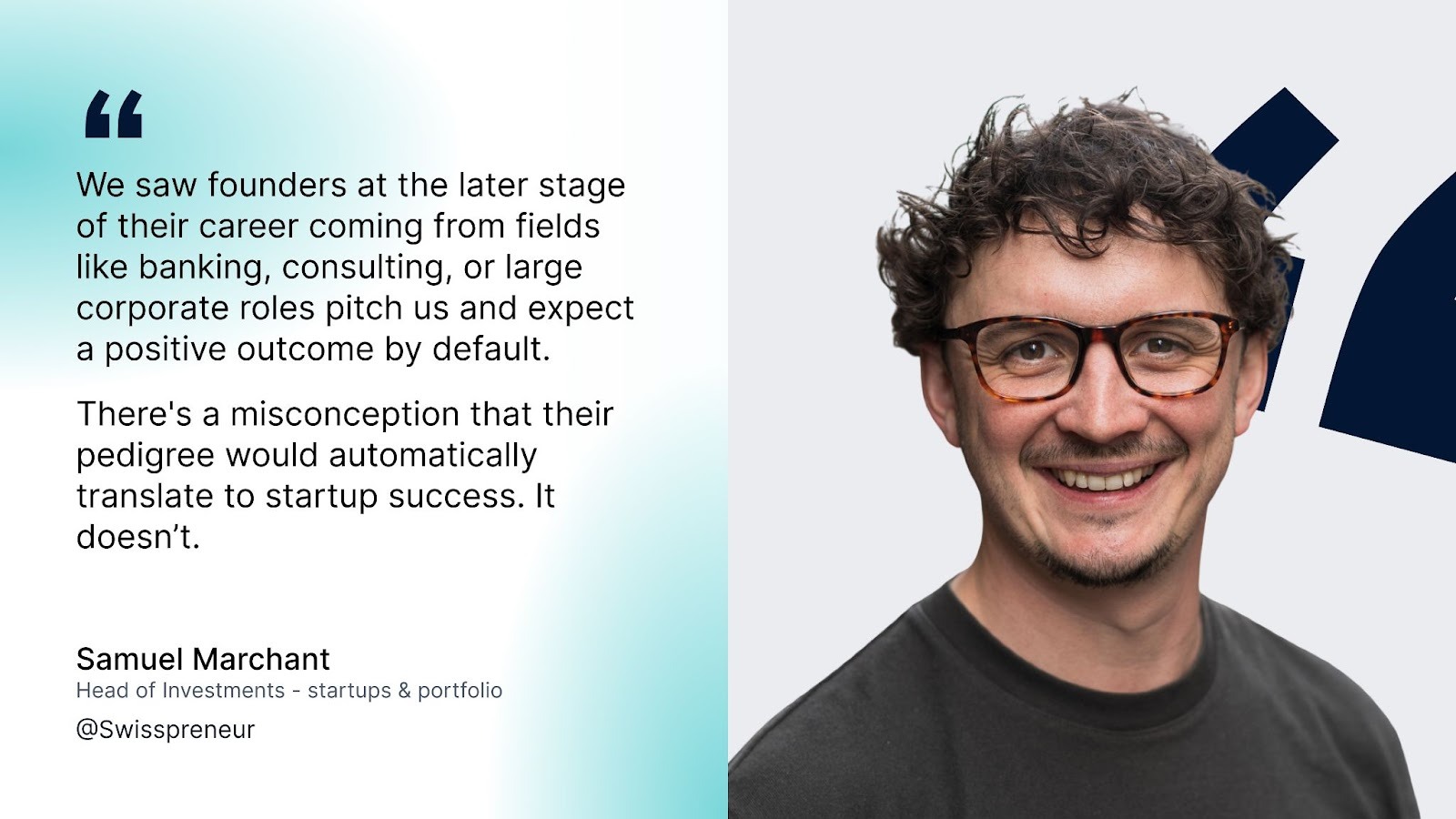
“Startups are a different game. Don't get me wrong, this isn't every late-career first-time founder, but we saw a trend that pointed to this segment approaching fundraising with a sense of entitlement.”
Not all fundraising misconceptions in 2025 were about valuation or AI. Some were about how founders positioned themselves in early-stage rounds.
As Tichomir Jenkut, Partner, Presto Tech Horizons, mentions:
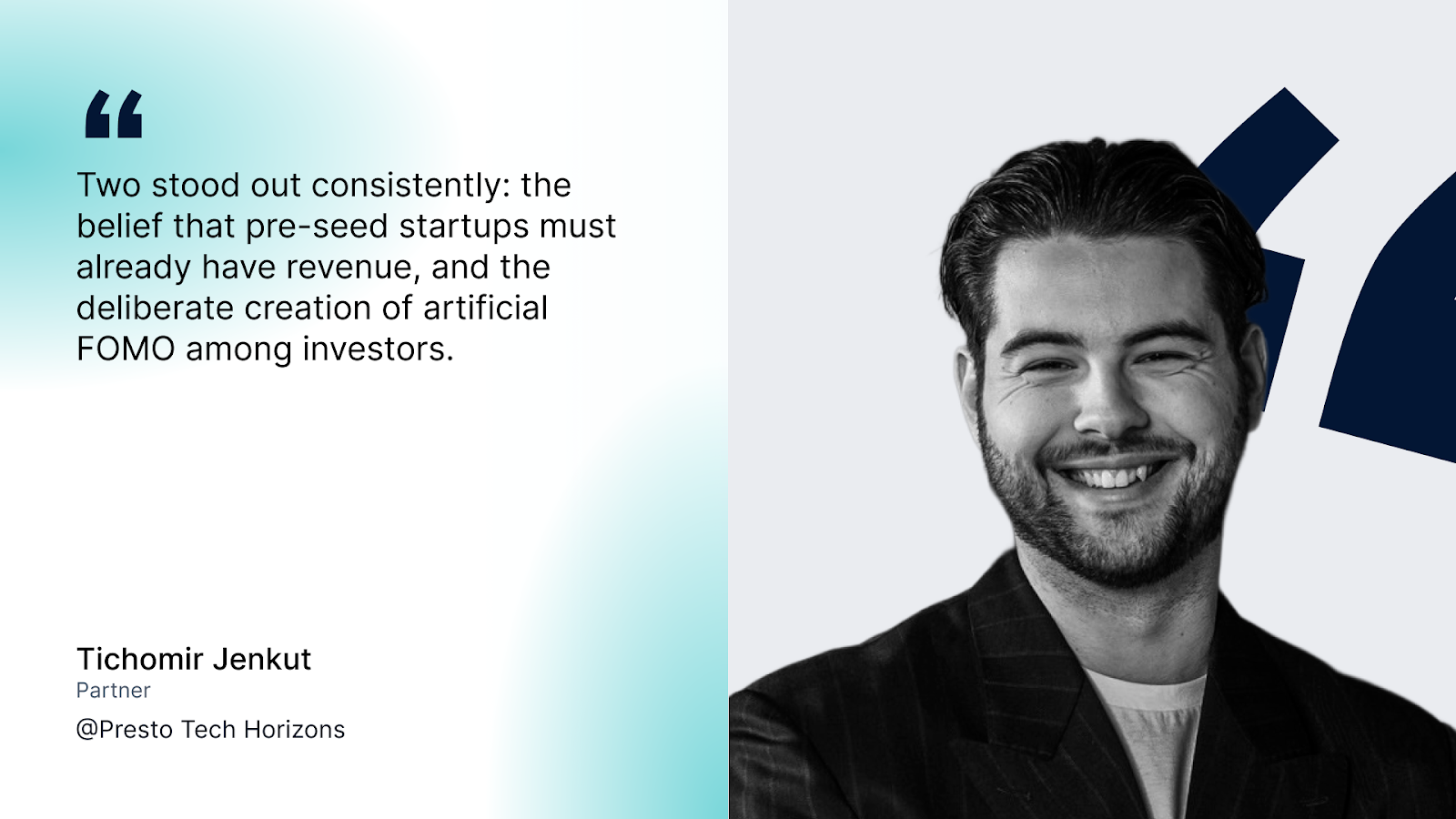
“This is especially true when founders know those investors are connected. Both often backfire and distract from what actually builds conviction.”
One of the biggest misconceptions among deep tech founders in 2025 was assuming that technical breakthroughs automatically translate into investor conviction. They don’t.
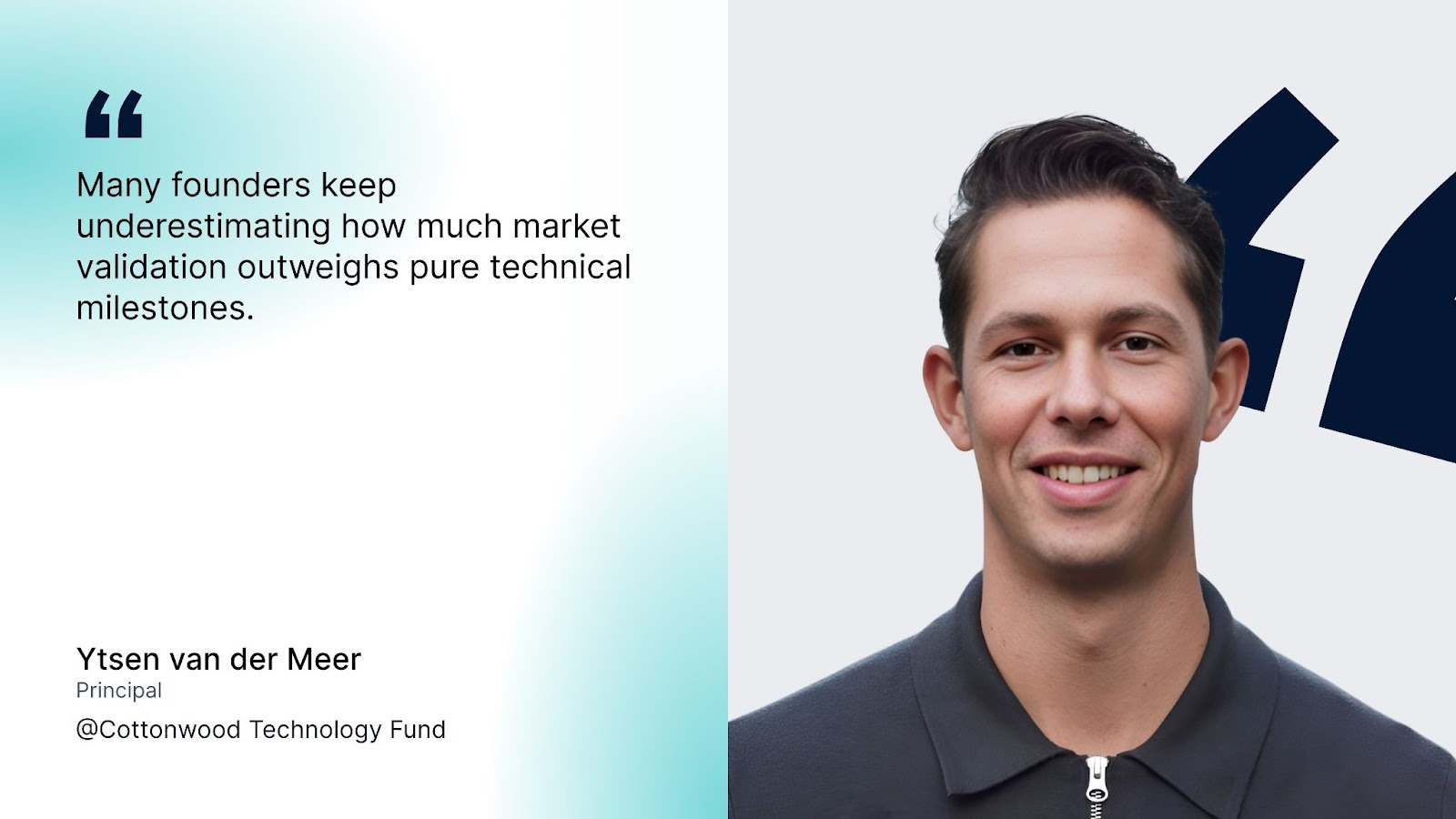
Ytsen van der Meer, Principal at Cottonwood Technology Fund, says:
“Biggest fundraising misconception among (deep tech) founders is that technical progress does not equal financing progress.”
Another misconception that investors saw in 2025 was about something founders have been underestimating for years. Series A is hard. Really hard.
As Viktor Minchev, Investment Principal at Eleven Ventures, mentions:
The biggest misconception among founders isn’t specific to 2025 - it’s a hard truth that has become increasingly clear over the past few years. Raising a Series A round is exceptionally difficult, with fundraising cycles often stretching to 9-12 months.”
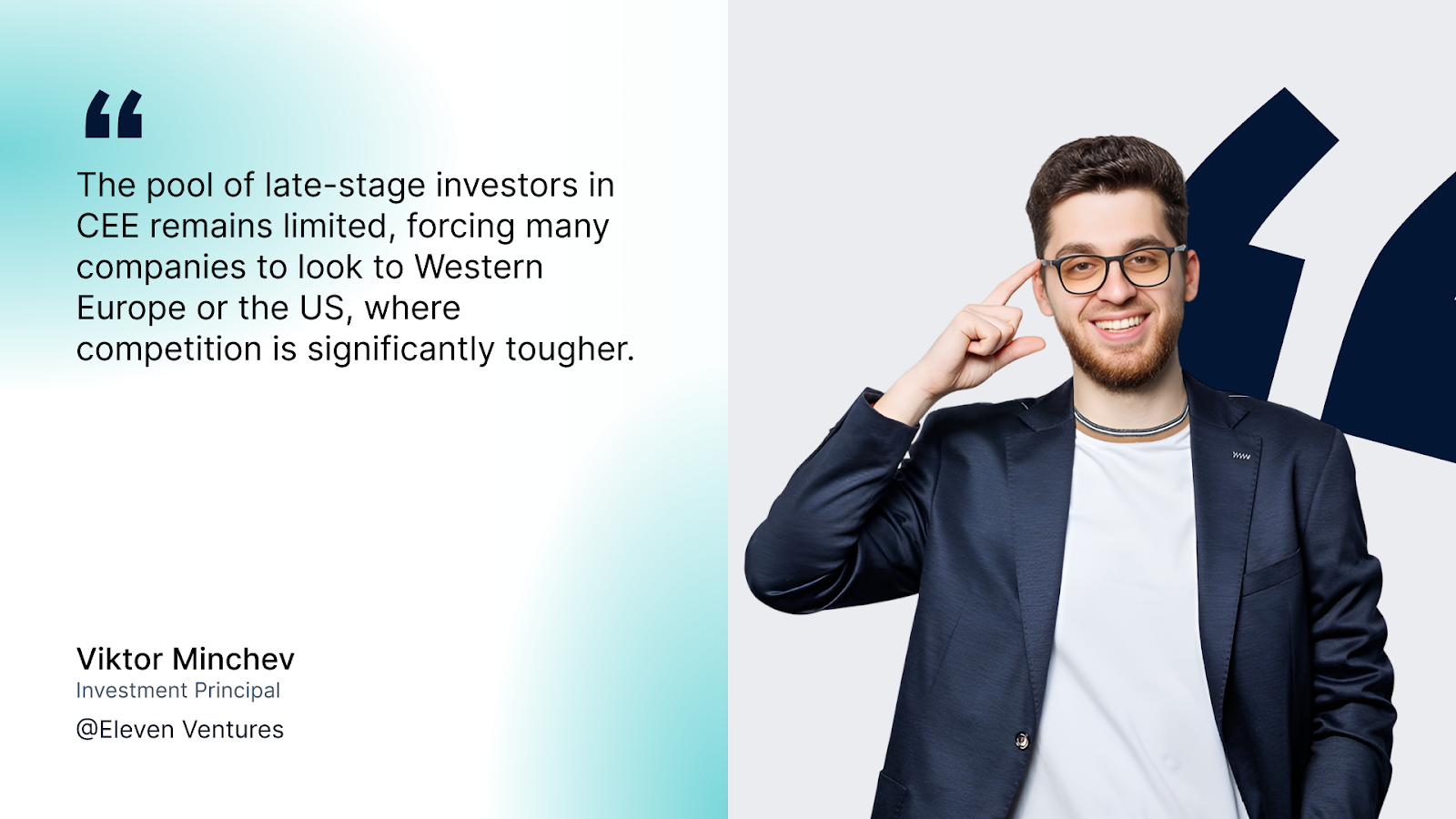
“To succeed, companies must be exceptional across all dimensions: performance, storytelling, and execution. They need to start the process well in advance, actively build and leverage their networks, and operate at a top-percentile level simultaneously. It’s demanding but not impossible.”
For years, many founders viewed M&A as a fallback option. Something you consider when growth slows, when fundraising becomes difficult, or when IPO markets close. It was often framed as “Plan B.”
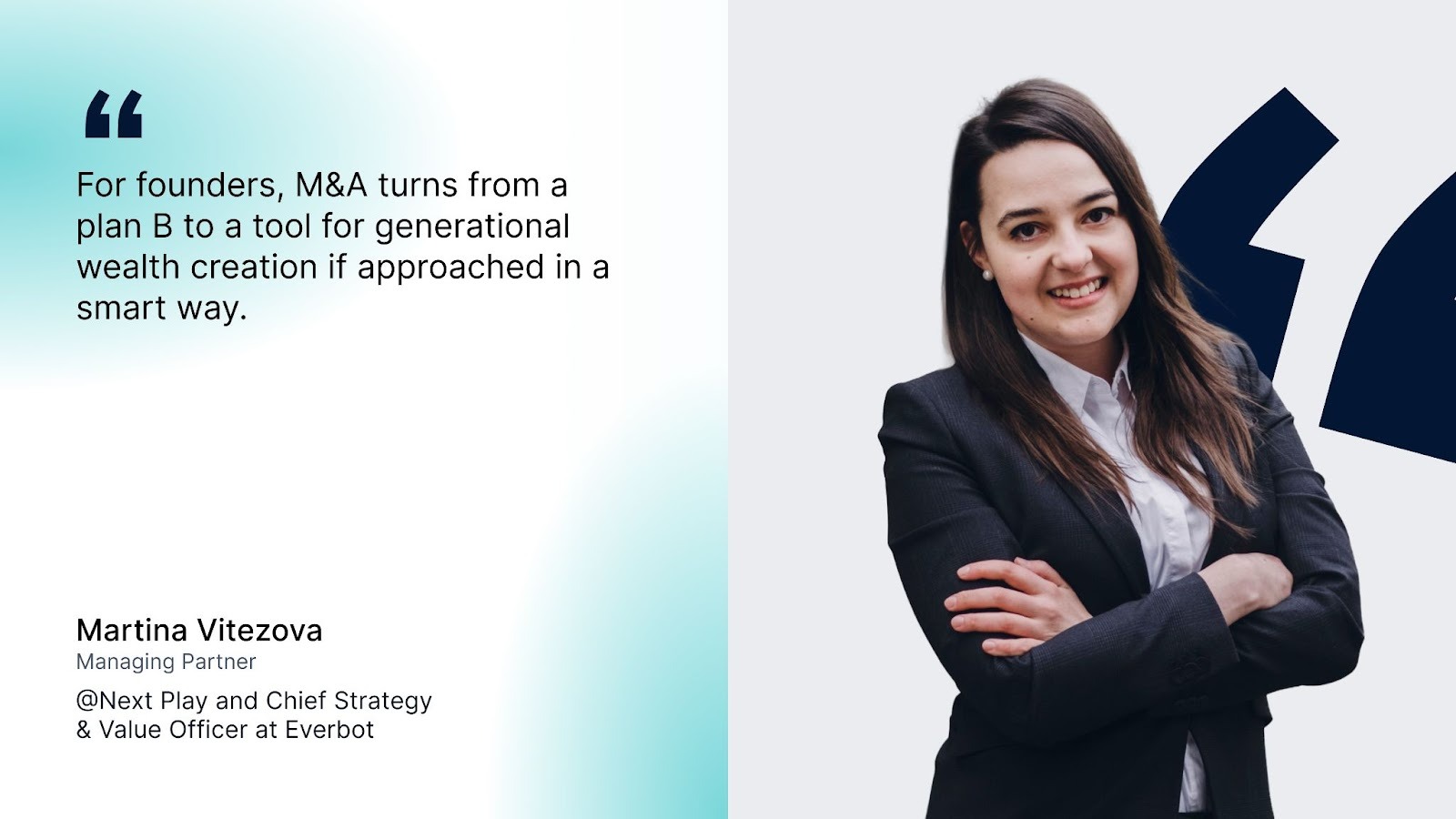
But the second half of 2025 challenged that narrative. As Martina Vitezova, Managing Partner at Next Play and Chief Strategy & Value Officer at Everbot, mentions:
“Quite unexpectedly, in Q4 2025, the global M&A market showed a clear rebound, with activity in several segments approaching the levels of 2020–2021, albeit somewhat concentrated in top-tier deals.
For venture funds, this means strategic exits are no longer viewed as opportunistic outcomes but as an active portfolio management and liquidity tool, particularly in AI, where buyers are moving early.”
If 2025 exposed the gaps between perception and reality, then 2026 will reward founders who prepare differently.
Capital is still in the market. But it is more selective, more analytical, and far less tolerant of shortcuts. Investors are no longer reacting to positioning, pedigree, or momentum alone. They are looking for clarity, repeatability, capital efficiency, and proof.
The founders who will stand out in 2026 are the ones who:
With SeedBlink Core, fundraising becomes a managed campaign rather than a reactive process. Instead of relying on static pitch decks and scattered follow-ups, founders can create a dynamic, shareable company profile that evolves with their progress.
Written by

Patricia Borlovan
Communication Specialist
TABLE OF CONTENT

Subscribe to our newsletter
No spam. Just the latest releases and tips, interesting articles, and exclusive interviews in your inbox every week.
Share this article
The latest news, technologies, and resources from our team.




%20-%20part%201.png)
%20-%20part%202.png)
%20-%20eu%20inc.png)
%20-%20part%204.0.png)
.jpg)

